 Skip to content

Asian Garden Design
Asian Inspired Fountains for Tranquil Gardens
Discover the serenity of water in Asian landscape design

Asian fountains bring a quiet sense of balance and beauty to gardens and homes. Across traditional Japanese gardens and Zen landscapes, flowing water has long symbolized harmony, renewal, and connection to nature. The sound of water moving across stone creates an atmosphere that encourages relaxation and reflection. Designers often use natural materials such as carved stone, bamboo, and rock to maintain a calm and organic look. This approach allows Asian fountains to blend naturally into landscapes rather than overpower the surrounding environment.
Asian traditions have long valued meditation and quiet reflection as essential parts of a balanced life. Feng shui plays an important role in this philosophy by guiding how spaces are arranged to support harmony and positive energy. In feng shui, water is considered the most powerful because it represents communication, travel, creativity, knowledge, and the natural flow of life. Flowing water is also believed to bring vitality and renewal to a space. The gentle sound of Asian fountains helps create a calm atmosphere that encourages relaxation and healing.
Today many homeowners and hospitality spaces incorporate Asian fountains to recreate the peaceful atmosphere found in temple gardens and traditional courtyards. These fountains can appear as stone waterfall fountains, bamboo water fountains, Zen water fountains, or decorative Buddha fountains. Some gardens feature large outdoor water fountains that become the visual centerpiece of the space. Others use small tabletop indoor waterfall fountains that bring tranquility to interior rooms. No matter the size, Asian fountains focus on simplicity, balance, and the soothing movement of water.
Table of Contents
Explore the elements of Asian fountains and Zen water features
Asian fountains bring together water, stone, and sculpture to create peaceful environments inspired by traditional Eastern landscapes. From the gentle rhythm of bamboo water fountains to dramatic Zen waterfall fountains, these water features are designed to calm the senses and enhance garden spaces. Many Asian fountains combine symbolic elements such as Buddha sculptures, stone basins, and Japanese garden ornaments to create meaningful design compositions. Indoor Asian style waterfalls also allow the soothing presence of water to be experienced inside the home. The sections below explore the different forms, design principles, and garden ideas that define Asian fountains.
| Section | Topic |
| 1 | |
| 2 | |
| 3 | |
| 4 | |
| 5 | |
| 6 | |
|
|
|
Zen Water Features
Zen Waterfall Fountains in Japanese Garden Design
Waterfall features that encourage calm and meditation

Zen waterfall fountains are one of the most recognizable forms of Asian fountains. In Japanese landscape design, waterfalls symbolize natural rivers flowing through mountains and valleys. A stone waterfall fountain or basalt rock fountain allows water to cascade gently across rock surfaces. The soft sound of flowing water creates a peaceful environment that supports meditation and quiet contemplation. Many Zen gardens use waterfall fountains to anchor the layout and guide visitors through the space.
Japanese water fountains often combine natural stone, flowing water, and traditional garden ornaments. A Zen waterfall fountain may flow through stacked rocks or spill into a carved stone basin below. These waterfall features often appear beside Japanese garden lanterns, pagoda lanterns, or carefully arranged stones. The combination creates a layered landscape that feels both intentional and natural. Whether used in a courtyard or backyard retreat, Zen waterfall fountains represent the calming heart of Asian fountains.
Japanese Garden Elements
Bamboo Water Fountains and Traditional Shishi Odoshi
The rhythmic movement of bamboo water features

Among the most iconic Asian fountains is the bamboo water fountain known as shishi odoshi. This traditional Japanese fountain uses a hollow bamboo tube that fills with water before tipping forward. When the bamboo empties, it creates a gentle knocking sound against a stone. Originally designed to scare animals away from gardens, the rhythmic motion soon became a calming feature in Japanese landscapes. Today the shishi odoshi fountain remains a symbol of quiet meditation and natural rhythm.
Bamboo water fountains often appear beside stone basins, moss covered rocks, and Japanese garden ornaments. The combination of bamboo, water, and stone reflects the principles of simplicity and balance found in Zen design. Many Japanese fountains incorporate these elements to create an authentic garden atmosphere. A bamboo water fountain works beautifully near ponds, rock gardens, or walking paths. When paired with pagoda lanterns and oriental garden accessories, it becomes a defining feature of Asian fountains.
Sacred Garden Sculptures
Buddha Fountains and Stone Garden Statues
Spiritual symbolism in Asian water features
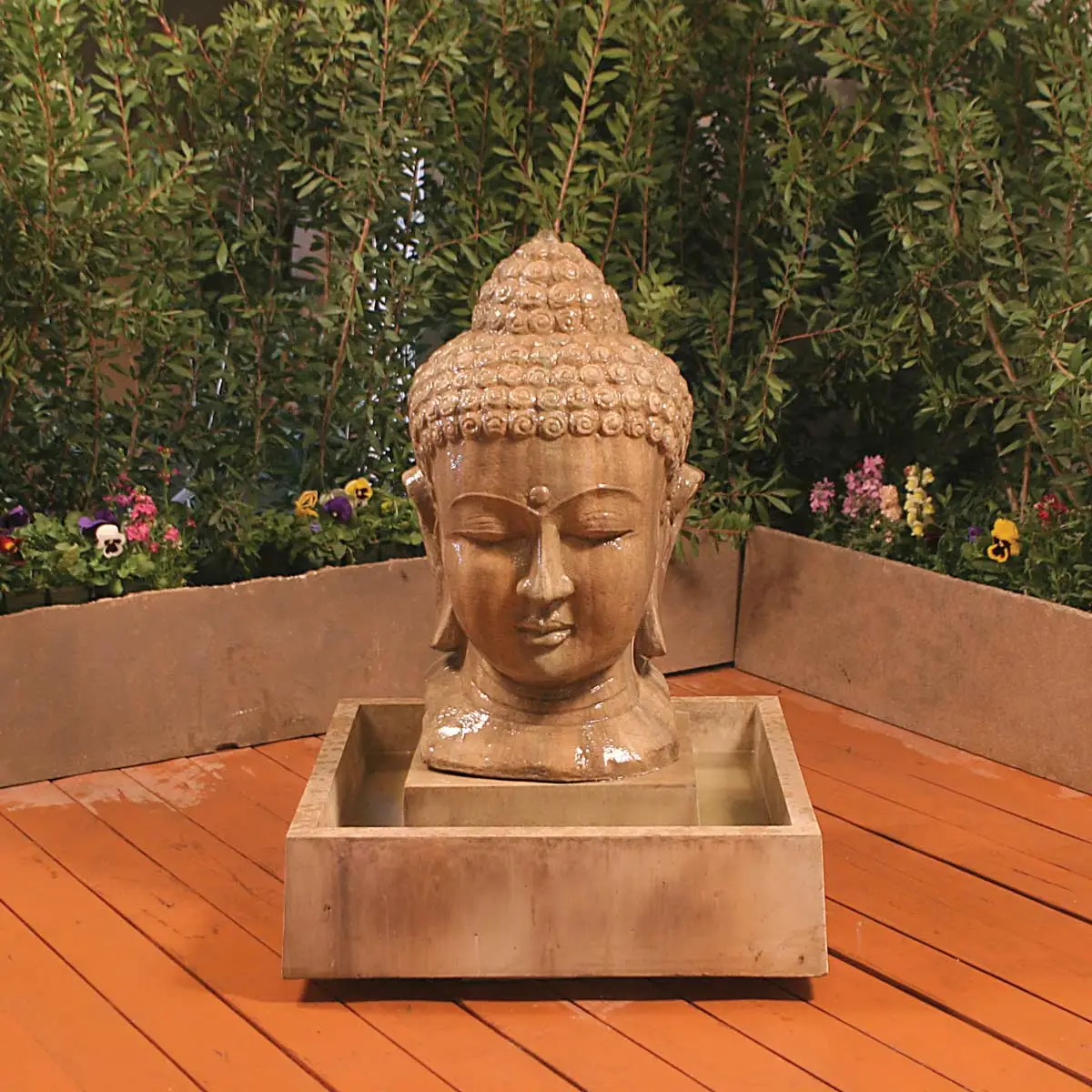

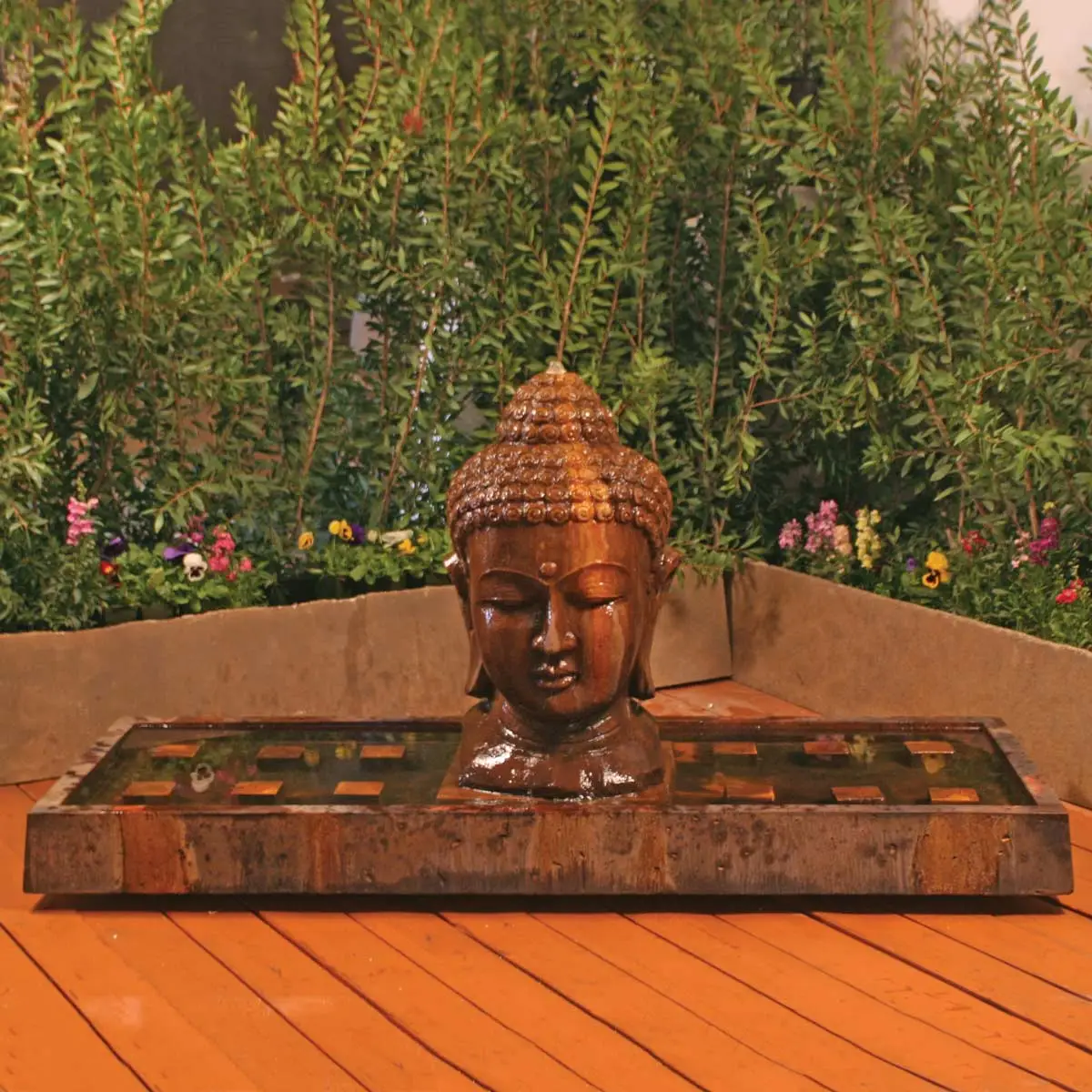
Buddha fountains combine sculpture and flowing water to create a peaceful focal point in the garden. In many Asian landscapes a Buddha garden statue represents serenity, mindfulness, and spiritual balance. Water flowing from or around the sculpture enhances the calming presence of the statue. Whether it is a small Buddha statue or a large Buddha sculpture, the fountain creates an atmosphere of reflection. The gentle sound of water adds movement while the sculpture remains still and contemplative.
Stone sculptures and Buddha statues are often paired with other Asian fountains to build a cohesive garden setting. A large Buddha statue surrounded by smooth stones and a waterfall feature can become the center of a meditation garden. Smaller Buddha head statues or sitting Buddha statues can complement rock fountains and garden pathways. Designers often combine Buddha sculptures with Japanese garden lanterns and stone garden statues to complete the space. These elements together form a tranquil landscape rooted in Asian design traditions.
Stone Basin Water Features
Wok Fountains and Bowl Style Asian Fountains
Elegant basin fountains inspired by Asian vessels
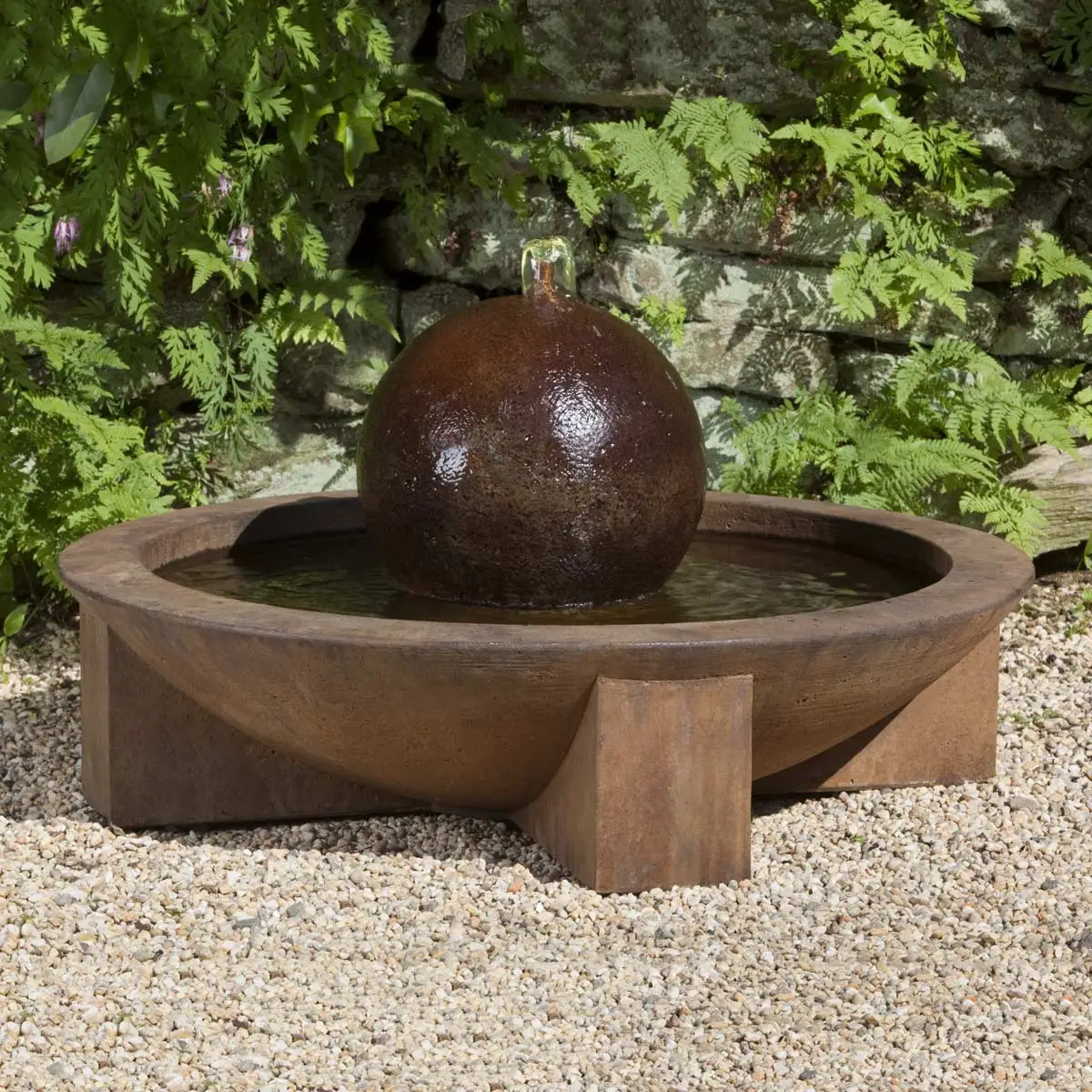
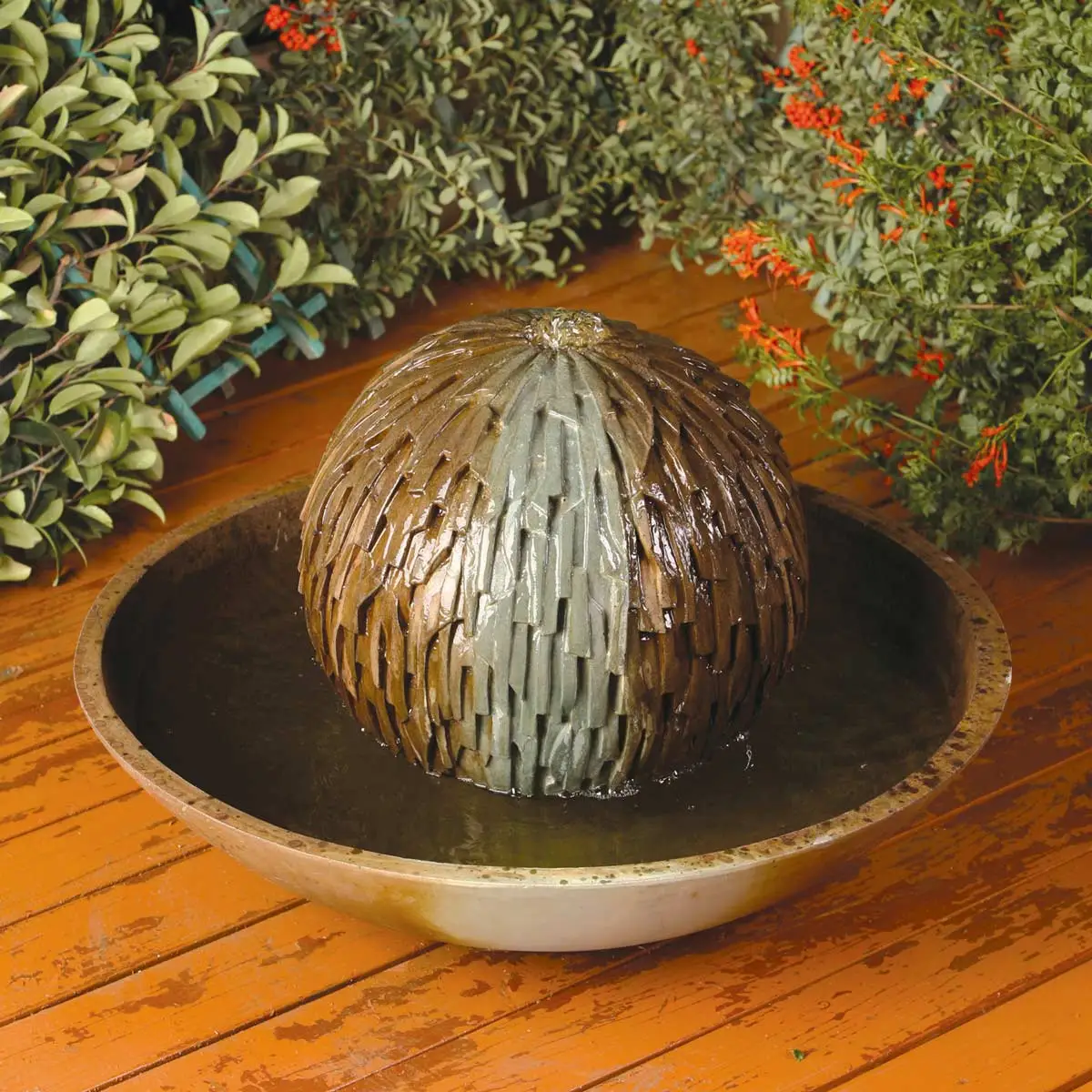
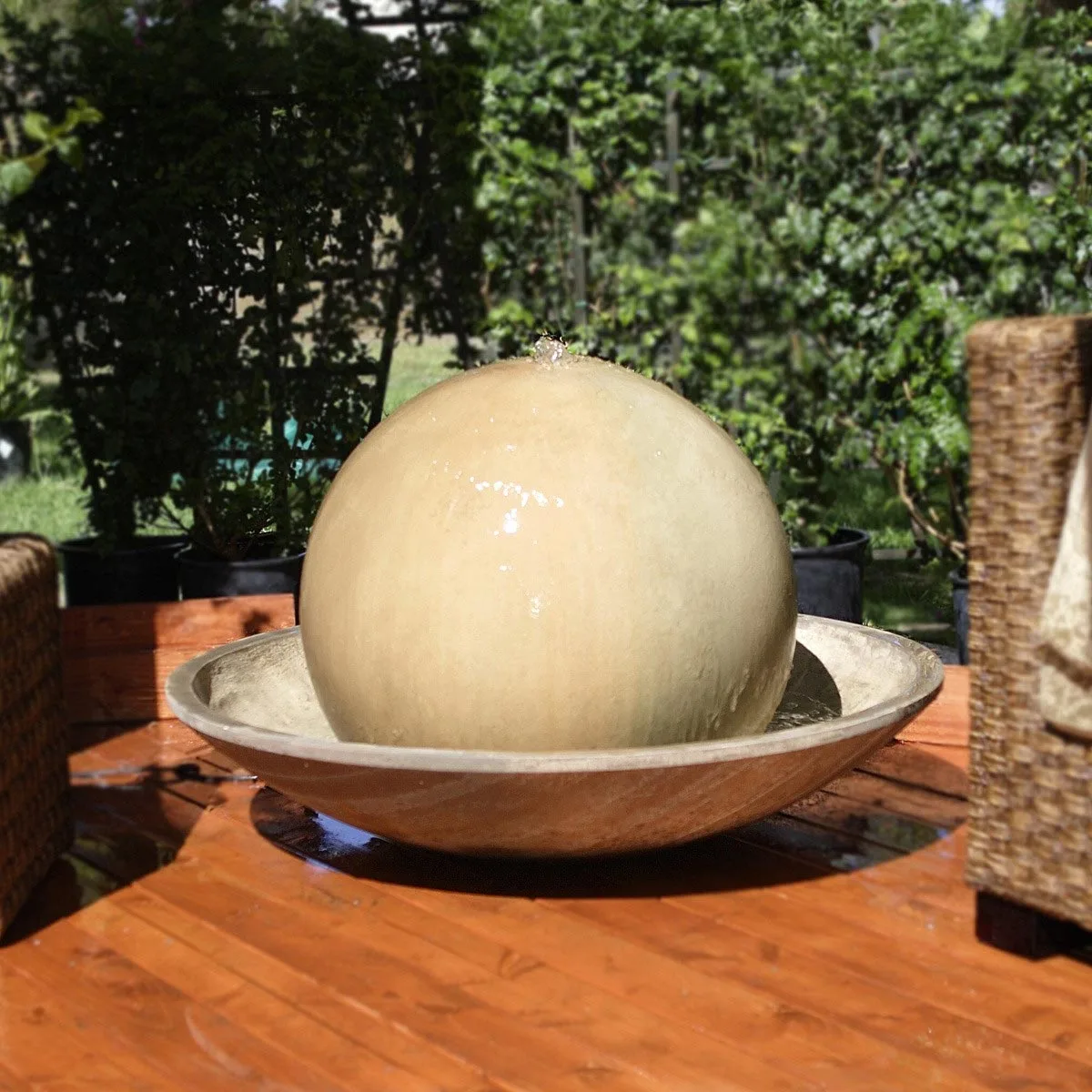
Wok fountains are another unique example of Asian fountains inspired by traditional forms. The design uses a smooth circular basin similar to a traditional Asian cooking wok or ceremonial bowl. Water rises from the center and gently spills over the edges to create a soft waterfall effect. This continuous overflow creates both visual movement and a soothing sound. The result is a fountain that feels balanced and minimalist.
These bowl style fountains can appear as outdoor vase fountains, pedestal bowl fountains, or tiered stone fountains. A wok fountain often works beautifully in Zen gardens where the circular form symbolizes harmony and unity. Designers sometimes pair wok fountains with basalt rock fountains or wall waterfall fountains to create layered water movement. The smooth basin contrasts with rough natural stones to create visual balance. These designs demonstrate how Asian fountains blend artistry with peaceful natural elements.
Indoor Water Features
Indoor Asian Style Waterfalls and Zen Fountains
Bringing the tranquility of Asian fountains indoors

Indoor Asian fountains allow the calming presence of water to become part of everyday living spaces. Indoor waterfall fountains often use stone panels or rock structures that mimic natural waterfalls. Often, it may also integrate statuaries of Buddha or its head. These indoor waterfalls for homes create a soothing sound that softens surrounding noise and promotes relaxation. Many people place indoor waterfall wall fountains in living rooms, entryways, or meditation areas. The flowing water helps transform ordinary rooms into quiet retreats.
A tabletop indoor waterfall fountain can also bring the beauty of Asian fountains into smaller spaces. Larger indoor waterfall walls create dramatic features that resemble natural rock waterfalls. Indoor waterfall walls and water wall fountains allow water to cascade continuously down textured stone surfaces. These indoor Asian style waterfalls provide the same calming atmosphere found in outdoor gardens.
Landscape Design Inspiration
Designing a Garden Around Asian Fountains
Create a balanced space inspired by Asian landscapes
Designing a landscape around Asian fountains begins with choosing a water feature that complements the natural environment. Large outdoor water fountains or stone waterfall fountains can serve as the centerpiece of a garden. Around the fountain designers often place Japanese garden statues, pagoda lanterns, and Asian sculptures. Carefully arranged rocks and natural plantings help soften the scene and create depth. Bamboo plants, moss, and ornamental grasses reinforce the tranquil aesthetic.
Many gardens combine multiple water features such as Zen waterfall fountains, outdoor tiered fountains, and basalt rock fountains. A Buddha fountain may appear beside a stone garden statue or Japanese lantern to complete the scene. Some landscapes also incorporate wall waterfall fountains or outdoor vase fountains for additional visual interest. The goal is always harmony between water, stone, plants, and open space. When designed thoughtfully, Asian fountains transform gardens into peaceful environments where visitors can slow down and reconnect with nature.
Elevate your space today:


