 Skip to content

Cast Stone Fountains
A Complete Guide to Materials, Styles, and Choosing the Right Fountain

Cast Stone fountains are among the most enduring and versatile water features used in landscape design. They combine the timeless character of carved stone with modern manufacturing techniques that allow for detailed craftsmanship and consistent durability. Cast stone is produced by combining cement, aggregates, pigments, and water, which are poured into molds to form decorative architectural elements that replicate natural stone textures and finishes.
Because of this manufacturing process, these fountains offer the appearance of traditional stone fountains without the limitations of quarrying and carving natural stone. The material can reproduce intricate details, classical shapes, and sculptural forms while maintaining structural strength. This flexibility allows designers to create fountains that range from traditional European styles to contemporary landscape pieces.
Today, Cast Stone fountains are widely used in residential gardens, courtyards, commercial landscapes, and architectural spaces. Their durability, visual impact, and calming water sound make them a central design element in many outdoor environments. Whether someone is looking for large cast stone fountains for a landscape centerpiece or compact fountains for patios and courtyards, cast stone remains one of the most trusted fountain materials available.
Table of Contents
In this article, learn
- What Are Cast Stone Fountains
- Outdoor Cast Stone Fountains
- Cast Stone Garden Fountains
- Large Cast Stone Fountains
- Cast Stone Fountains Indoor
- Best Cast Stone Fountains
- Cast Stone Fountains for Sale
- Purchase Cast Stone Fountains
- Cast Stone Water Fountain Designs
- Notable Cast Stone Fountain Designs for Modern Gardens
- Why Cast Stone Fountains Remain Timeless
What Are Cast Stone Fountains
Understanding the Material Behind the Fountain


The durability and visual character of Cast Stone fountains come from a specialized manufacturing process that combines traditional materials with modern production techniques. Cast stone is produced using a dense mixture of cement, sand, stone aggregate, and water that is poured into molds to form architectural elements such as fountains, planters, and garden ornaments. This process allows detailed designs to be created while maintaining structural strength and consistency across each piece.
Many cast stone manufacturers use a wet casting method that produces a high density material capable of reaching compressive strengths of approximately 7,500 PSI. This level of strength helps ensure that outdoor fountains remain durable in changing weather conditions while maintaining their form over time. Because the materials used in cast stone are natural and recyclable, the products may also contribute to sustainability goals such as LEED project credits in certain architectural applications.
Another defining feature of cast stone fountains is the application of surface finishes known as patinas. These finishes are typically hand applied using mineral pigment stains in a multi step process that creates depth and variation in color. Much like wood stain, the patina interacts differently with each piece of cast stone, producing subtle variations that give every fountain a unique appearance.
Many manufacturers offer a range of natural tones designed to replicate aged architectural materials such as limestone, bronze, or terra cotta. Because the finishing process is applied by hand, slight variations in color and texture are expected and contribute to the authentic look of cast stone products. Over time, these finishes continue to weather naturally, allowing fountains to develop a character similar to traditional stone features found in historic gardens.
Outdoor Cast Stone Fountains
Designing a Garden Focal Point

Outdoor cast stone fountain is the most common form of cast stone water features. These fountains are designed specifically for landscape environments and are often placed as central elements within gardens, patios, courtyards, or entryways.
Many homeowners choose outdoor cast stone fountains because the material is heavier and more stable than lightweight fountain materials such as resin or fiberglass. The weight of cast stone helps anchor the fountain in place while also contributing to its authentic stone appearance.
Outdoor fountains come in several popular designs:
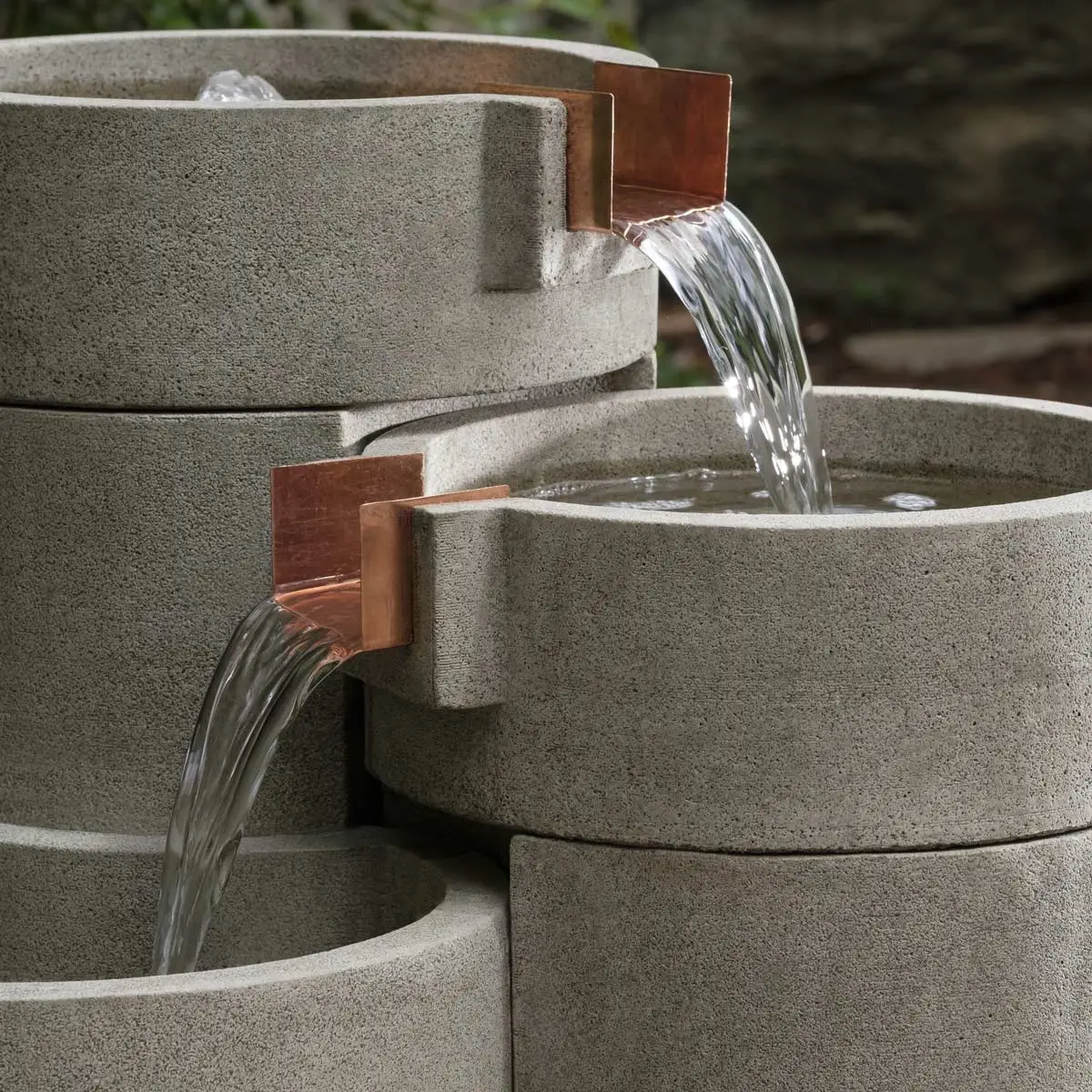
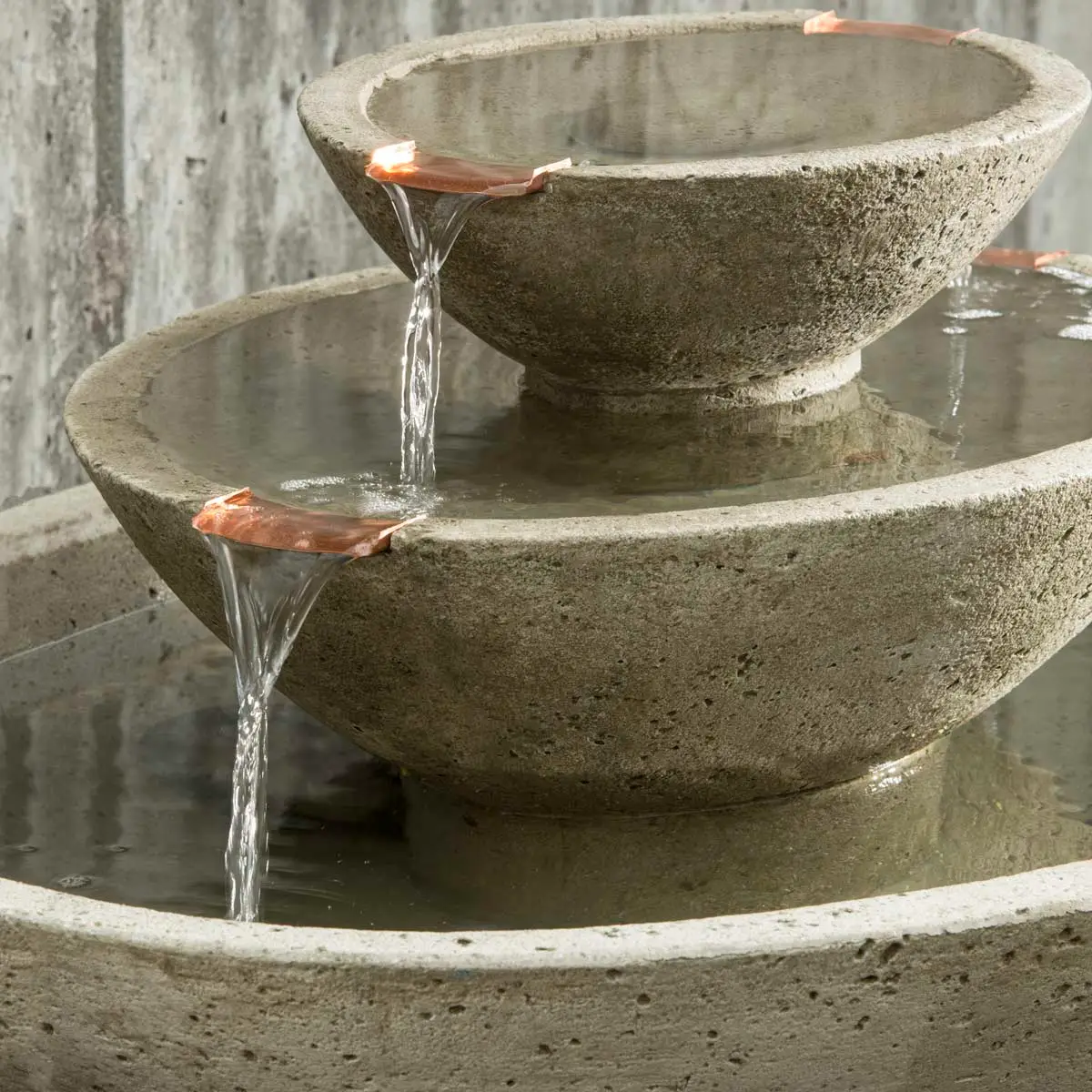
Among these styles, the cast stone cascade fountain is particularly popular in traditional garden designs. Water flows from upper basins into lower tiers, creating movement and a stronger water sound that enhances the surrounding landscape.
In smaller outdoor spaces, a cast stone wall fountain or cast stone wall fountains may be installed against garden walls or courtyard surfaces. These designs conserve space while still delivering the calming sound of water.
Because of their durability and visual presence, outdoor cast stone fountains are frequently used as the centerpiece of landscape design.
Cast Stone Garden Fountains
Integrating Water Features Into Landscape Design
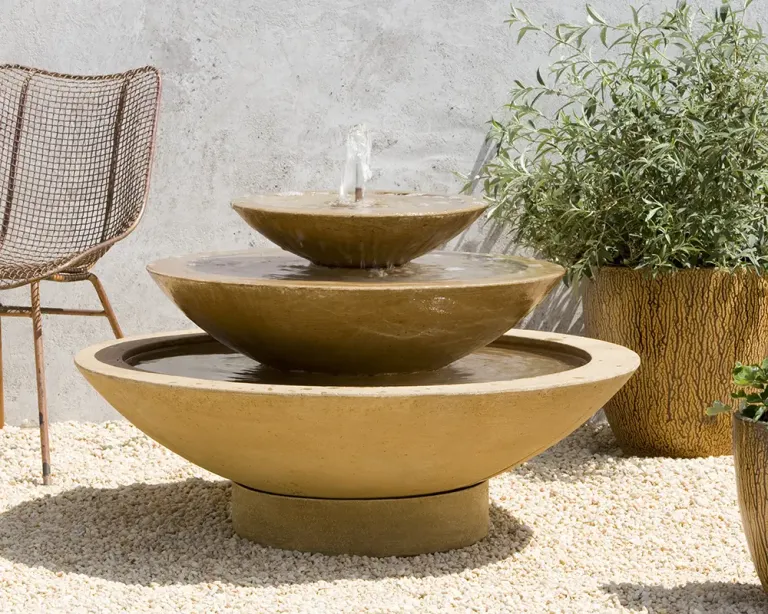


Cast stone garden fountains play an important role in landscape architecture. They add visual movement, sound, and balance to outdoor spaces while creating a natural focal point.
A well positioned cast stone garden fountain can anchor a garden layout by drawing attention to a central area. Landscape designers often place fountains at the intersection of garden paths, in the center of courtyards, or within circular planting beds.
Garden fountains also contribute to sensory experience. The gentle sound of flowing water masks background noise and creates a peaceful atmosphere. This is one of the reasons cast stone outdoor fountains are frequently used in meditation gardens and residential retreats.
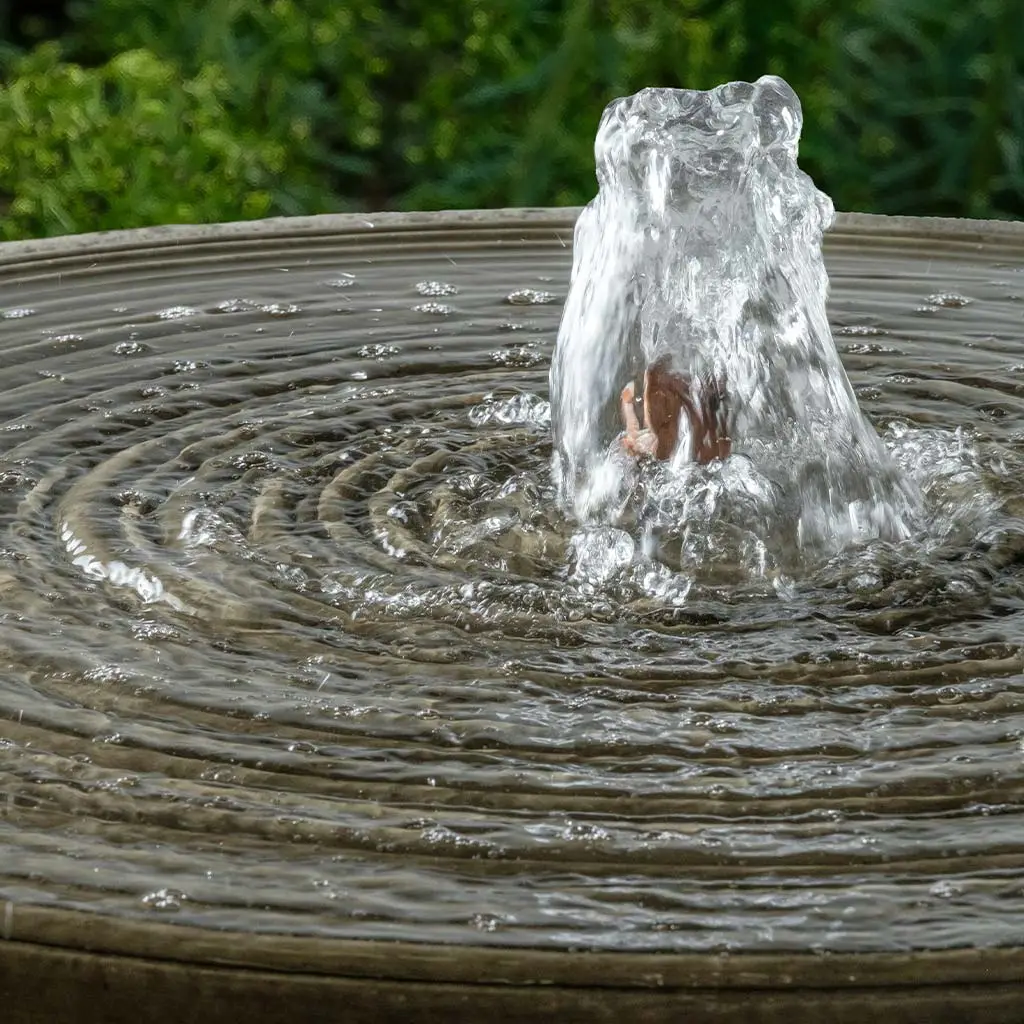
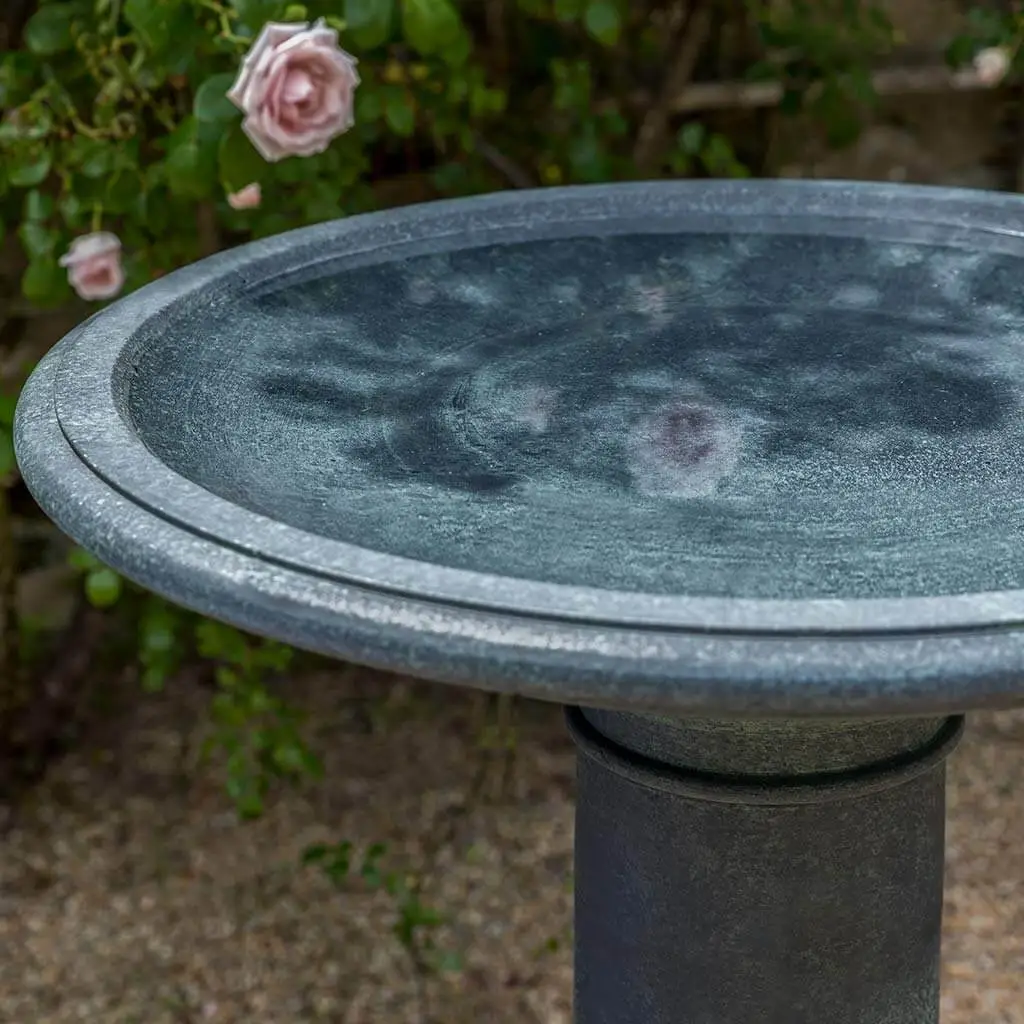
Designers also consider the cast stone fountain basin when planning water features. The basin collects circulating water and influences the sound and visual movement of the fountain. Larger basins create calmer water flow, while smaller basins often produce more dynamic movement.
These design elements help ensure that garden fountains enhance both the aesthetics and atmosphere of outdoor environments.
Large Cast Stone Fountains
Statement Pieces for Expansive Landscapes

Large cast stone fountains are typically installed in expansive gardens, estate landscapes, and architectural courtyards. Their scale allows them to function as dramatic focal points that define an outdoor space.
Large fountains often include multiple tiers or sculptural elements that allow water to cascade from one level to another. The movement of water combined with the architectural scale creates a striking visual centerpiece.
Some advantages of large cast stone fountains include:
- Strong visual presence in large landscapes
- Classic European garden aesthetic
- Durable construction for long term outdoor use
Because of their size and weight, large cast stone fountains are usually manufactured in multiple sections. This modular design allows the fountain to be transported and assembled on site.
When used in estate landscapes or public gardens, large cast stone fountains can transform open areas into elegant gathering spaces.
Cast Stone Fountains Indoor
Bringing Water Features Into Interior Spaces
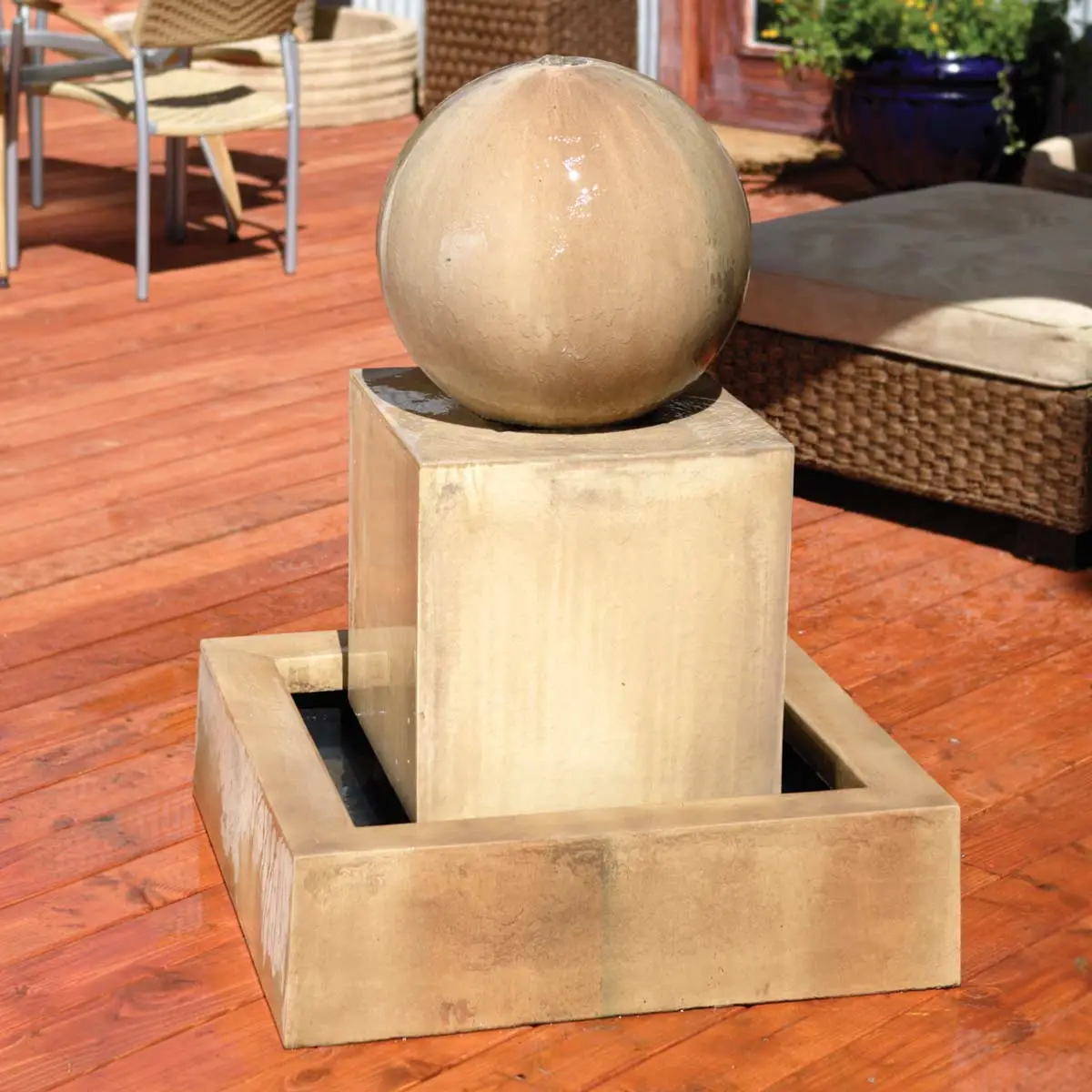
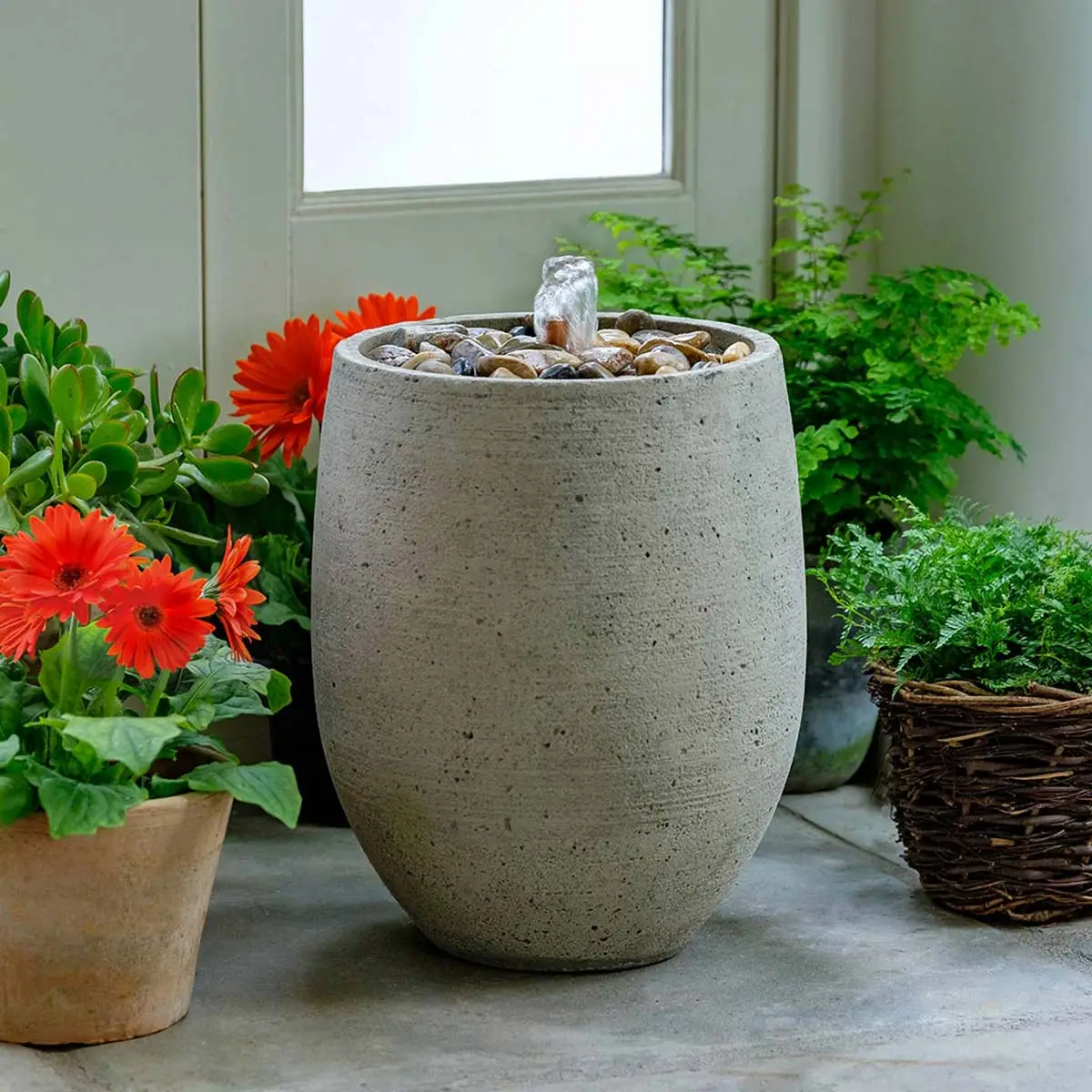
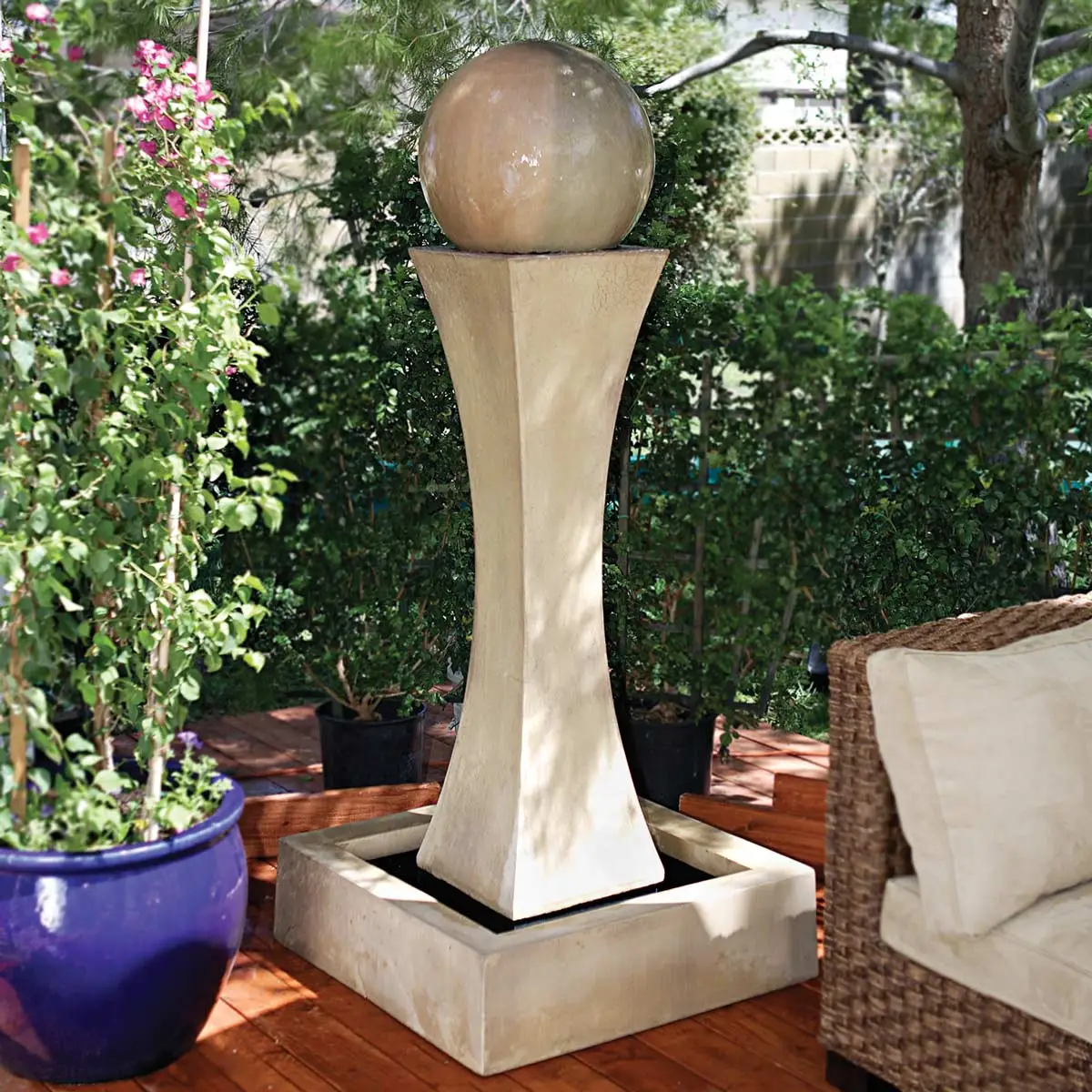
While most fountains are designed for outdoor use, cast stone fountains indoor can also be installed in architectural interiors. These fountains are commonly used in atriums, entry halls, spa environments, and interior courtyards.
Indoor fountains create a relaxing environment by introducing the sound and movement of water into enclosed spaces. They also function as sculptural design elements that add visual interest to large rooms.
Because cast stone fountains are heavier than many indoor fountain materials, proper floor support and placement planning are important. Indoor installations may also require careful pump selection to maintain quiet water circulation.
When integrated properly, cast stone fountains indoor can elevate interior architecture while creating a calm and welcoming atmosphere.
Best Cast Stone Fountains
What Are the Best Cast Stone Fountains to Purchase
Many homeowners ask the question: what are the best cast stone fountains to purchase? The answer depends on several practical factors including size, placement, and design preferences.
The best cast stone fountains often share several key qualities:
Material quality
High quality cast stone contains dense aggregates and mineral pigments that produce long lasting color and durability.
Proportional design
The fountain should match the scale of the landscape or courtyard where it will be installed.
Water flow design
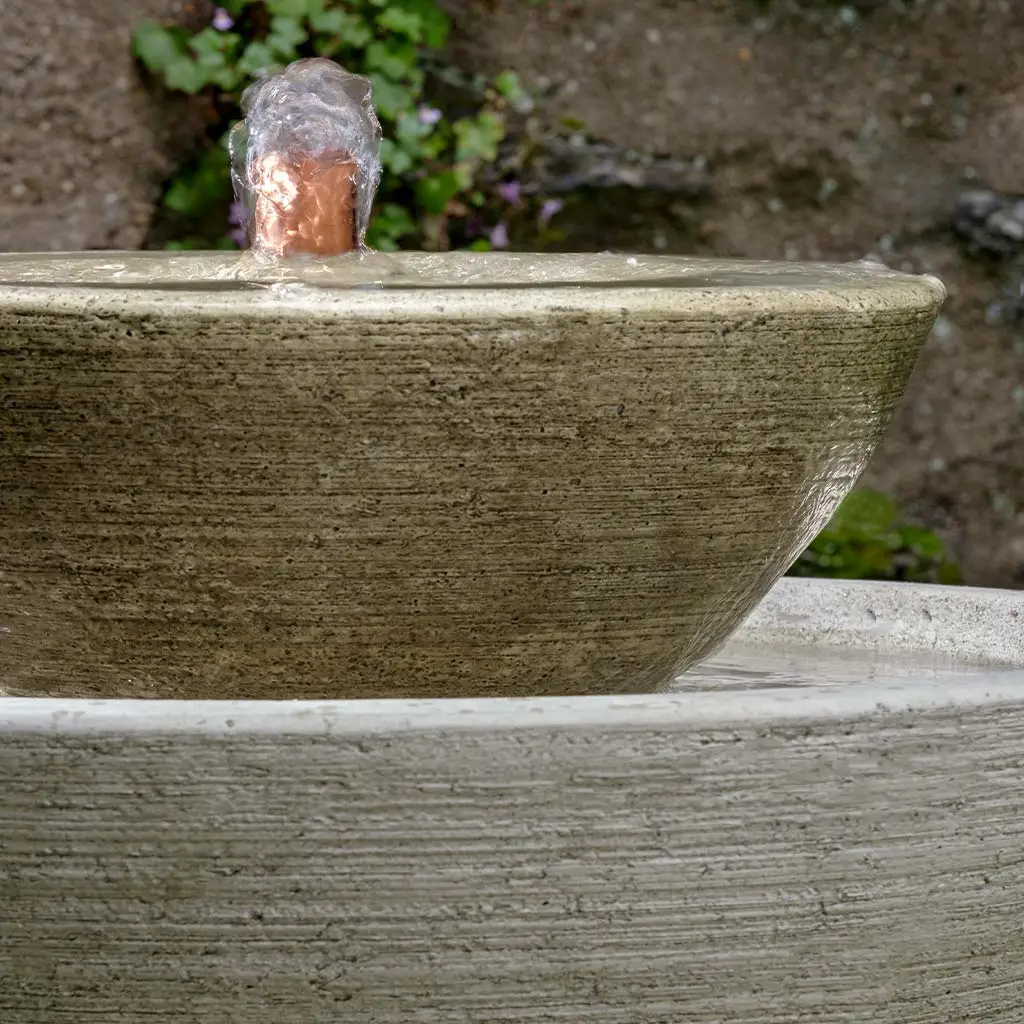
Tiered fountains produce stronger sound and movement, while basin fountains create softer water flow.
Structural stability
Because cast stone fountains are heavy, they require a stable base or foundation for installation.
When these elements are balanced correctly, cast stone fountains become long lasting focal points that enhance outdoor environments.
Cast Stone Fountains for Sale
Where to Find Quality Fountains
Homeowners searching online will often look for cast stone fountains for sale or cast stone fountains near me. Specialty garden décor retailers and landscape supply stores typically offer a wide selection of cast stone fountains.
When browsing cast stone fountains for sale, it is important to evaluate the manufacturer and construction quality. High quality cast stone fountains are produced using dense cement mixtures and carefully applied finishes that replicate natural stone patina.
Reputable suppliers also provide fountain pumps, installation guidance, and finish options that help ensure long term performance.
Purchase Cast Stone Fountains
What to Consider Before Buying
Before you purchase cast stone fountains, there are several practical considerations that will influence installation and long term maintenance.
First, evaluate the size and weight of the fountain. Cast stone fountains are heavier than most alternative fountain materials, which means they require stable surfaces such as stone patios or reinforced garden bases.
Second, consider the pump system. Most fountains use submersible pumps that circulate water through the fountain structure. Selecting the correct pump ensures smooth water flow and reliable operation.
Third, consider placement and visibility. Cast stone fountains work best when placed in areas where they can be seen and heard easily. Courtyards, garden centers, and entryways are common placement locations.
Taking these factors into account ensures that your fountain installation is both visually successful and structurally sound.
Cast Stone Water Fountain Designs
Classic Styles and Architectural Influence
A cast stone water fountain can take many architectural forms depending on the design inspiration. Many fountain styles are influenced by historic European gardens where fountains served as central gathering elements.
Popular fountain styles include:
- tiered fountains inspired by Italian gardens
- formal basin fountains used in courtyards
- architectural wall fountains used in enclosed spaces
- modern pedestal fountains with simple geometry
Because cast stone can be molded into intricate shapes, designers are able to reproduce historical fountain designs while maintaining modern durability.
These stylistic possibilities allow cast stone fountains to fit into both traditional and contemporary landscapes.
Notable Cast Stone Fountain Designs for Modern Gardens
A Few Thoughtfully Designed Examples
Across many landscapes, the most memorable Cast Stone fountains are those that balance sculptural form with a calming water presence. While the style and scale of a fountain will vary depending on the setting, certain designs demonstrate how cast stone can bring structure and elegance to outdoor environments.
For homeowners exploring cast stone fountains for sale, it can be helpful to look at a few examples that illustrate different fountain styles. Each design below reflects a different approach to proportion, water movement, and landscape integration.
The following examples represent several ways outdoor cast stone fountains can be incorporated into residential landscapes.
Girona Fountain

The Girona Fountain offers a sculptural interpretation of a classic tiered fountain form. Its vertical composition allows water to cascade gently into the basin below, creating a balanced focal point for courtyards and garden centers.
Because of its proportions, the Girona Fountain works particularly well in medium sized landscapes where a fountain needs to provide visual structure without dominating the surrounding plantings.
Echo Fountain

The Echo Fountain reflects a slightly more contemporary fountain aesthetic. The clean bowl shape emphasizes water movement rather than ornate detailing, which allows it to blend easily into modern garden environments.
Designs like this are often chosen for patios and smaller landscapes where a quieter fountain presence is preferred.
Large Girona Fountain

For larger landscapes, the Large Girona Fountain demonstrates how scale can transform a fountain into a true architectural centerpiece. Larger cast stone fountains like this are often installed in open courtyards, estate gardens, or central garden axes.
The expanded basin and taller structure allow the water flow to become more visually prominent, creating a stronger sense of movement and sound within the landscape.
Recife Fountain

The Recife Fountain represents a softer fountain profile, with water flowing gently from the top element into the basin below. This type of fountain is often used in intimate garden spaces where a calm and understated water feature is preferred.
Designers often place fountains like the Recife along garden paths or near seating areas where the sound of water can be enjoyed up close.
Lutea Fountain

The Lutea Fountain demonstrates how sculptural fountain forms can introduce artistic elements into a landscape. Its shape creates subtle visual interest even when the fountain is not in operation.
Because of its refined proportions, the Lutea Fountain works well in smaller courtyards or architectural garden spaces.
Cascade Fountain

Among the more traditional designs, the Cascade Fountain highlights the timeless appeal of the cast stone cascade fountain style. Water flows from upper tiers into lower basins, producing a dynamic visual effect and a slightly stronger water sound.
Cascade fountains are often considered among the best cast stone fountains for homeowners who want a classic European garden atmosphere.
Installation Guide and Setup
Every Yard Art fountain includes a detailed installation guide PDF that outlines what to expect before assembly begins (click here for visuals). The guide explains the number of people needed for installation or if professional help is recommended, and highlights important considerations such as fountain weight, foundation support, and basic electrical setup. It also provides a list of included components, pump kit parts, and the minimal tools required.
The manual identifies each fountain component by name and part number, including the basin, pump cover, feature elements, and pump kit hardware. Step by step instructions walk through plumbing connections, cord routing, pump placement, and proper leveling to ensure smooth water flow.
In addition to assembly instructions, the guide includes troubleshooting tips and maintenance recommendations. These cover common topics such as pump startup, adjusting water flow, reducing splashing or noise, routine cleaning, and winter care to help protect the fountain over time.

Why Choose Cast Stone Fountains Today
A Lasting Element of Landscape Design
Cast stone fountains continue to define landscape architecture because they combine craftsmanship, durability, and lasting visual impact. Unlike lightweight decorative pieces, these fountains create a sense of permanence that elevates the entire outdoor space and signals thoughtful design. If you want a feature that feels substantial and timeless, cast stone is the clear choice.
From garden settings to formal courtyards, cast stone outdoor water fountains introduce movement, sound, and structure. The gentle circulation of water creates a calming atmosphere while the sculptural form anchors your landscape visually. Bring that sense of calm into your space today by choosing a fountain that fits your layout and style.
For homeowners, designers, and architects, cast stone fountains offer a refined balance of elegance and long term durability. With proper installation and care, they remain a centerpiece for decades, making them a smart investment in both beauty and value. Start planning your outdoor upgrade now and select a design that will stand the test of time.
Take the next step:


